
I grew up in a Latine household with merengue and salsa being loud on Saturday mornings because it was time to clean. By seven years old, I knew the basic steps to the Latin dances. Spanish is the first language I ever learned. I didn’t know a word of French or English when I started school. My school lunches were arroz and frijoles. The first country I ever visited was Guatemala. My culture was deeply ingrained in me as a child, and even today, it is something I deeply cherish.
My story isn’t unique. Many of us carry cultures that we both cherish and complicate. Whether you’re Latine, from another diaspora community, or navigating the tensions in your own cultural background, you might recognize this feeling: loving your culture while also acknowledging harmful patterns within it. The question isn’t whether our cultures are “good” or “bad,” it’s understanding where harmful patterns come from and recognizing that resistance has always existed alongside them.
When We Blame Our Culture
There are times when I hear “our culture did this to us,” mainly when we talk about sexism, marianismo, and machismo. It’s not completely wrong or true either. We hear about our parents’ home countries and we know the femicide rates are high compared to North American countries. And while that might be true, I also know that our culture has contributed so much to the movement against gender-based violence.
In fact, the 16 Days of Activism first started with Latinas.
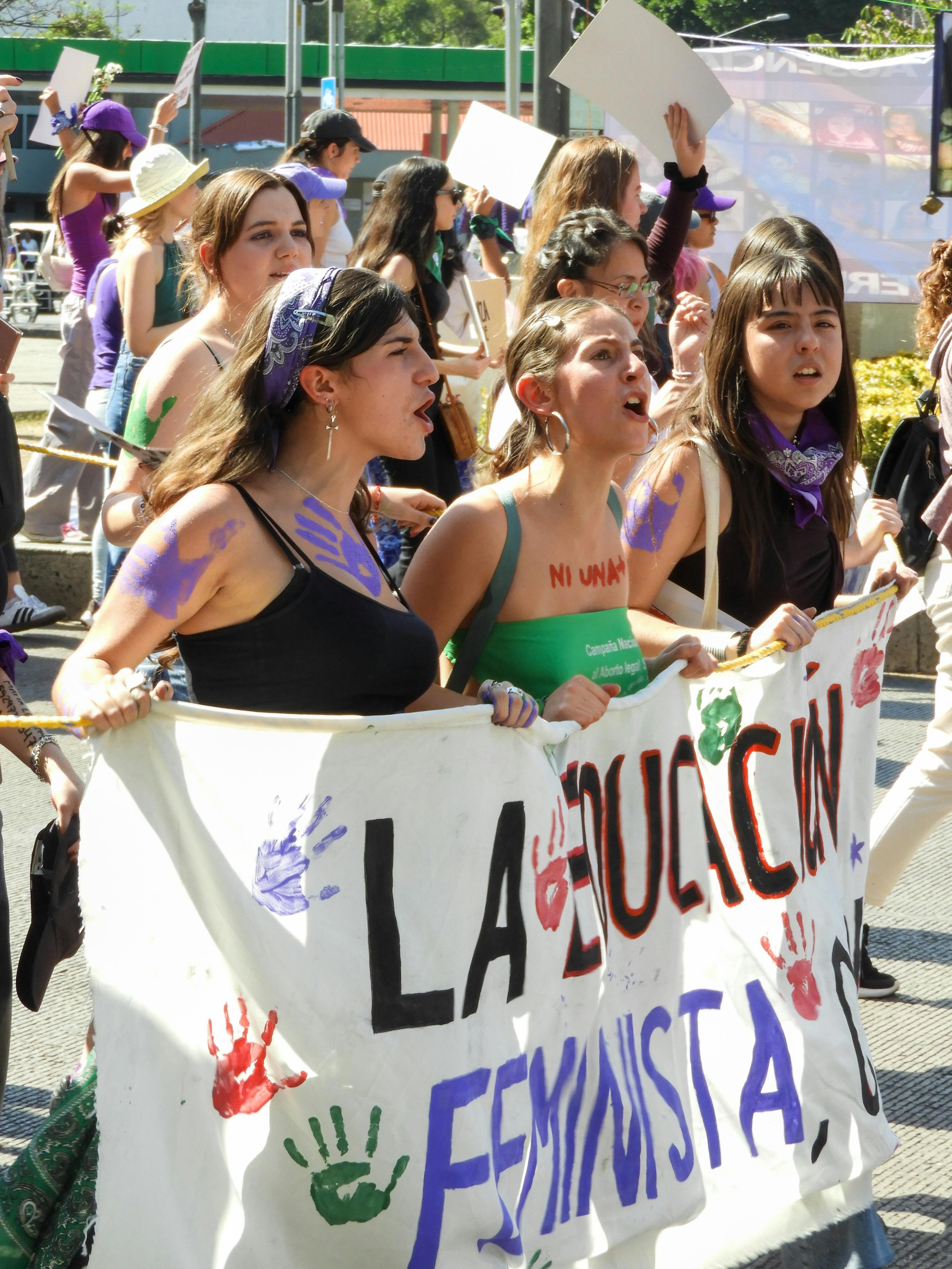
Yesterday, November 25th, marked the beginning of the 16 Days of Activism against gender-based violence. This movement was first declared by the first Feminist Encuentro for Latin America and the Caribbean held in Bogotá, Colombia in July 1981. At that Encuentro, women systematically denounced gender violence from domestic battery to rape and sexual harassment to state violence.
The date was chosen to commemorate the lives of the Mirabal sisters. Patria, Minerva, and María Teresa from the Dominican Republic were violently assassinated on November 25, 1960 during the Trujillo dictatorship. The day was used to pay tribute to the Mirabal sisters and to give global recognition to gender violence.
November 25 was first commemorated in Latin America as “No Violence Against Women Day.” It grew in neighboring countries and became the “International Day Against Violence Against Women.” Ten years later, in 1991, this became the foundation for the global 16 Days of Activism campaign. The UN didn’t officially recognize it until 1999.
Let that sink in: Latin American women led this movement from the very beginning.
Understanding Colonization’s Legacy
So when we hear “our culture did this to us,” we need to pause and ask: which parts of our culture are we talking about?
Machismo isn’t our inheritance, it’s colonization’s legacy. And there’s a difference.
When Spanish colonizers arrived in Latin America, they didn’t just take land. They imposed a rigid gender hierarchy that didn’t exist in many Indigenous societies. Before colonization, many Indigenous cultures had more egalitarian gender relations, female leaders, and different concepts of gender entirely. The Spanish brought their patriarchal structures: laws where women became property of their husbands, Catholic teachings that centered male authority, and economic systems that stripped women of rights they’d previously held.
This isn’t unique to Latin America. Colonization disrupted gender relations across the Global South in Africa, Asia, and Indigenous communities in North America. The pattern is clear: Colonizers exported their patriarchy and then blamed the colonized for it.
If machismo was truly part of our identity, something inherent to who we are as Latine people, women wouldn’t have started a movement that became global. The Mirabal sisters wouldn’t have fought against patriarchal state violence. Latin American feminists wouldn’t have been the ones to say “enough” and create a day of recognition that the entire world now observes.
Resistance has and always will be part of our culture too.
Why This Matters in My Work
Understanding this history isn’t just academic for me, it’s essential to the work I do as a therapist.
When someone comes to therapy carrying shame about their culture, or feeling like they have to choose between their identity and their liberation, we work together to untangle what’s theirs from what was imposed. A Latina client doesn’t have to reject being Latina to reject machismo. We can grieve what colonization took while reclaiming what remains.
This reframe is therapeutic in itself. Instead of “my culture is toxic,” we explore: “My culture survived violence and is still healing from it.” That’s a very different starting point, one that honors resilience while making space for change.
Using a feminist, culturally informed lens also means understanding that rigid gender expectations harm everyone. Men learning their value isn’t tied to being providers or that their emotions can be felt and processed instead of being kept inside. Women unlearning that our worth doesn’t come from being the only nurturer, that it’s not our responsibility to shrink ourselves or stay quiet. All of us processing how these systems intersect in our lives.
The Mirabal sisters and the Latinas who created the 16 Days campaign understood this. They weren’t rejecting their culture, they were fighting the dictatorship, the state violence, the systems that harmed them. They were being deeply cultural in their resistance.
The Work We All Have to Do
As we observe these 16 Days from November 25 through December 10, the work isn’t just for Latine communities, it’s for all of us. We all have work to do deconstructing gender stereotypes and norms, learning our real histories, understanding our culture and its context, and supporting each other’s liberation.
Whether it’s “calladita te ves más bonita,” or “boys don’t cry,” or “don’t make a scene,” none of it is true. We don’t have to erase ourselves. We deserve to take up all the space that we want and need.
The work is both personal and collective. It’s about men exploring who they are beyond “provider.” It’s about women unlearning that taking up space is selfish. It’s about all of us learning that strength doesn’t mean silence, that love doesn’t mean control, that safety doesn’t require someone else’s submission.
Ni Una Más, Ni Una Menos
The Mirabal sisters didn’t stay quiet. The women at the 1981 Encuentro didn’t stay quiet. Our ancestors who resisted across all our cultures didn’t stay quiet.
Neither should we.
As we chant, Ni Una Más, Ni Una Menos, we must remember that supporting and believing each other is key. The 16 Days of Activism is a time for reflection, yes, but also for action. For speaking up. For challenging the systems that keep these patterns in place. For healing the parts of ourselves that learned to stay small.
In my work, I’m committed to creating a space where people can do this work, where you can honor your culture while also healing from what’s harmed you. Where you can be all of who you are without apology.
Because that’s what the Mirabal sisters and all those Latina feminists taught us: Our resistance is cultural. Our healing is revolutionary. And our voices matter.
If you’re interested in working together or learning more about culturally informed, feminist therapy, I’d love to connect with you.
I grew up in a Latine household with merengue and salsa being loud on Saturday mornings because it was time to clean. By seven years old, I knew the basic steps to the Latin dances. Spanish is the first language I ever learned. I didn’t know a word of French or English when I started school. My school lunches were arroz and frijoles. The first country I ever visited was Guatemala. My culture was deeply ingrained in me as a child, and even today, it is something I deeply cherish.
My story isn’t unique. Many of us carry cultures that we both cherish and complicate. Whether you’re Latine, from another diaspora community, or navigating the tensions in your own cultural background, you might recognize this feeling: loving your culture while also acknowledging harmful patterns within it. The question isn’t whether our cultures are “good” or “bad,” it’s understanding where harmful patterns come from and recognizing that resistance has always existed alongside them.
When We Blame Our Culture
There are times when I hear “our culture did this to us,” mainly when we talk about sexism, marianismo, and machismo. It’s not completely wrong or true either. We hear about our parents’ home countries and we know the femicide rates are high compared to North American countries. And while that might be true, I also know that our culture has contributed so much to the movement against gender-based violence.
In fact, the 16 Days of Activism first started with Latinas.
Yesterday, November 25th, marked the beginning of the 16 Days of Activism against gender-based violence. This movement was first declared by the first Feminist Encuentro for Latin America and the Caribbean held in Bogotá, Colombia in July 1981. At that Encuentro, women systematically denounced gender violence from domestic battery to rape and sexual harassment to state violence.
The date was chosen to commemorate the lives of the Mirabal sisters. Patria, Minerva, and María Teresa from the Dominican Republic were violently assassinated on November 25, 1960 during the Trujillo dictatorship. The day was used to pay tribute to the Mirabal sisters and to give global recognition to gender violence.
November 25 was first commemorated in Latin America as “No Violence Against Women Day.” It grew in neighboring countries and became the “International Day Against Violence Against Women.” Ten years later, in 1991, this became the foundation for the global 16 Days of Activism campaign. The UN didn’t officially recognize it until 1999.
Let that sink in: Latin American women led this movement from the very beginning.
Understanding Colonization’s Legacy
So when we hear “our culture did this to us,” we need to pause and ask: which parts of our culture are we talking about?
Machismo isn’t our inheritance, it’s colonization’s legacy. And there’s a difference.
When Spanish colonizers arrived in Latin America, they didn’t just take land. They imposed a rigid gender hierarchy that didn’t exist in many Indigenous societies. Before colonization, many Indigenous cultures had more egalitarian gender relations, female leaders, and different concepts of gender entirely. The Spanish brought their patriarchal structures: laws where women became property of their husbands, Catholic teachings that centered male authority, and economic systems that stripped women of rights they’d previously held.
This isn’t unique to Latin America. Colonization disrupted gender relations across the Global South in Africa, Asia, and Indigenous communities in North America. The pattern is clear: Colonizers exported their patriarchy and then blamed the colonized for it.
If machismo was truly part of our identity, something inherent to who we are as Latine people, women wouldn’t have started a movement that became global. The Mirabal sisters wouldn’t have fought against patriarchal state violence. Latin American feminists wouldn’t have been the ones to say “enough” and create a day of recognition that the entire world now observes.
Resistance has and always will be part of our culture too.
Why This Matters in My Work
Understanding this history isn’t just academic for me, it’s essential to the work I do as a therapist.
When someone comes to therapy carrying shame about their culture, or feeling like they have to choose between their identity and their liberation, we work together to untangle what’s theirs from what was imposed. A Latina client doesn’t have to reject being Latina to reject machismo. We can grieve what colonization took while reclaiming what remains.
This reframe is therapeutic in itself. Instead of “my culture is toxic,” we explore: “My culture survived violence and is still healing from it.” That’s a very different starting point, one that honors resilience while making space for change.
Using a feminist, culturally informed lens also means understanding that rigid gender expectations harm everyone. Men learning their value isn’t tied to being providers or that their emotions can be felt and processed instead of being kept inside. Women unlearning that our worth doesn’t come from being the only nurturer, that it’s not our responsibility to shrink ourselves or stay quiet. All of us processing how these systems intersect in our lives.
The Mirabal sisters and the Latinas who created the 16 Days campaign understood this. They weren’t rejecting their culture, they were fighting the dictatorship, the state violence, the systems that harmed them. They were being deeply cultural in their resistance.
The Work We All Have to Do
As we observe these 16 Days from November 25 through December 10, the work isn’t just for Latine communities, it’s for all of us. We all have work to do deconstructing gender stereotypes and norms, learning our real histories, understanding our culture and its context, and supporting each other’s liberation.
Whether it’s “calladita te ves más bonita,” or “boys don’t cry,” or “don’t make a scene,” none of it is true. We don’t have to erase ourselves. We deserve to take up all the space that we want and need.
The work is both personal and collective. It’s about men exploring who they are beyond “provider.” It’s about women unlearning that taking up space is selfish. It’s about all of us learning that strength doesn’t mean silence, that love doesn’t mean control, that safety doesn’t require someone else’s submission.
Ni Una Más, Ni Una Menos
The Mirabal sisters didn’t stay quiet. The women at the 1981 Encuentro didn’t stay quiet. Our ancestors who resisted across all our cultures didn’t stay quiet.
Neither should we.
As we chant, Ni Una Más, Ni Una Menos, we must remember that supporting and believing each other is key. The 16 Days of Activism is a time for reflection, yes, but also for action. For speaking up. For challenging the systems that keep these patterns in place. For healing the parts of ourselves that learned to stay small.
This understanding shapes everything about how I work. As a registered social worker in Ontario specializing in second generation Canadians, I know the weight of cultural expectations intimately. I know what it feels like to be caught between worlds, to wonder if honoring your culture means accepting harm.
It doesn’t. You can be proud of where you come from and still heal from what hurt you. You can take up space and still belong.
Because that’s what the Mirabal sisters and all those Latina feminists taught us: Our resistance is cultural. Our healing is revolutionary. And our voices matter.
If you’re ready to explore what this kind of healing could look like for you, I’d love to connect. Click here to book your first free consultation.
Leave a Reply