
Non-fiction books are powerful, but I often read them slowly — not because they’re hard to follow, but because they make me feel. I have to stop, reflect, unpack. That was definitely the case with Hood Feminism by Mikki Kendall. There’s one line that stayed with me long after I closed the book: “Sexism comes from people we love and who we respect.” (Kendall, 2020, p. 69)
That sentence hit me. I closed the book and sat in silence, a flood of memories rushing through me. It wasn’t news to me that I had experienced sexism within my family, but to sit with the truth that some of that harm came from people I loved most? That was something else.
It’s a complicated feeling — to honour the love and care that shaped you, while also acknowledging that some of what you inherited needs to be unlearned. And that’s where my parenting journey began to shift.
When I was younger, I imagined myself raising four girls. I pictured teaching them to be kind and fierce, gentle and strong, all the things I was shown, and all the things I wasn’t. I dreamed of raising them to live without limits, without shame, without the pressures that often come with being a girl in our culture.
But life had other plans: I’m a mom of two boys.
And for a while, I wondered if I could still pass on those same values, if I could raise feminist boys. The answer came slowly, but clearly: Yes.
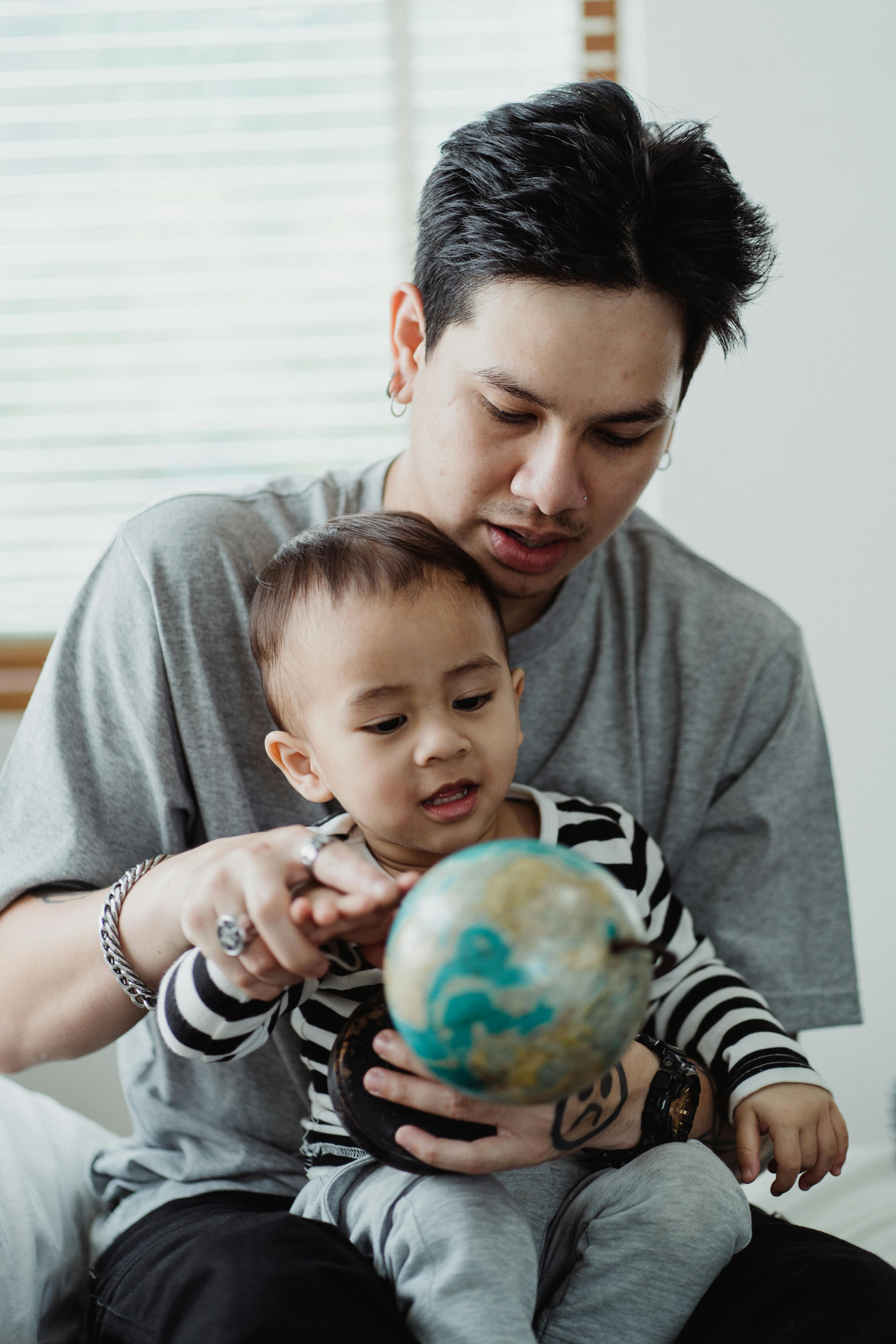
Because feminism isn’t just about raising girls who break barriers. It’s also about raising boys who don’t build them. It’s about teaching them that emotions aren’t weaknesses. That strength includes compassion. I’m teaching them that gentleness and courage can coexist. That bravery isn’t about hiding pain, but facing it. That respect for others includes respecting themselves. I want them to know that being a man doesn’t mean carrying the world in silence. I believe the biggest gifts we can give our children, our boys, is to teach them how to be comfortable with vulnerability.
So, in our home, we don’t say “boys don’t cry/los hombres no lloran.”
Instead, we ask: What or how are you feeling right now?
Because that’s the truth — emotions don’t belong to men or women. They belong to humans.
In many of our communities, machismo shapes the way boys are raised. It tells them to be tough, not tender. To lead, not listen. To earn, not express. But machismo isn’t strength — it is fear dressed up as power. And it hurts our sons just as much as it hurts our daughters. It teaches them to shut down, to suppress, to perform. And we wonder why they grow up struggling to connect, or to understand their own pain.
In my work as a therapist, I meet many men who are carrying pain quietly. Not because they’re broken — but because they were never shown another way.
When you grow up in a culture where emotions are labelled as weakness, how are you supposed to face grief, heartbreak, or loss? When your value is measured only by your ability to provide, what happens when life shifts — when you lose a job, feel stuck, or simply don’t want to carry it all alone anymore?
That’s why I use a feminist approach in therapy. It helps unpack how systems like patriarchy affect all of us — not just women — and it offers space to explore a fuller, freer version of yourself.
You don’t have to perform strength.
You can just be human.
Kendall (2020) writes: “The inheritance of a colonialist patriarchy has meant that many communities struggle to recover the good in traditional characteristics of their culture’s attitude around gender.” (p. 82)
In Latine communities, this often shows up as machismo. It’s one of the legacies of both colonization and patriarchy — and we don’t have to carry it forward.
Yes, our culture is full of beauty: resilience, connection, warmth, joy. But it can also come with expectations that harm — pressure to be “man enough,” to never show softness, to carry everything in silence.
I believe we can honour the beauty and break the patterns that no longer serve us.
That’s the work — as parents, as therapists, as people healing in community.
Raising boys with a feminist lens doesn’t mean raising them without structure or guidance. It means teaching them that respect matters more than dominance. That honesty matters more than performance. That their worth is not tied to what they produce, how much they make, or how strong they appear.
And maybe, one day, they’ll grow up not needing to unlearn what so many of us had to.
Maybe they’ll just… know.
That’s the dream.
That’s the future I’m raising them for.
If you’re doing the work to raise emotionally healthy kids, or unlearning harmful patterns yourself, know that you’re not alone.
Therapy can be a space to unpack these generational legacies, and create something gentler, freer, and more human.
Leave a Reply